Before Your Hearing Test, Give Your Ears a Fair Shot
A hearing test is not something you need to "study" for. No flash cards. No pressure. No trick questions. But there are a few things you should avoid before your appointment if you want the clearest picture of what is really going on with your hearing.
At River City Hearing, we help people in Peoria, Illinois understand their hearing with calm, clear testing and real answers. The goal is simple: find out what you're hearing, what you're missing, and what can be done about it.
The best part? A hearing test is painless, and most hearing tests do not require special preparation. Still, the choices you make before the appointment can affect how well the results reflect your normal day-to-day hearing.
Schedule a hearing test in Peoria and get answers without the guesswork.
What Should You Avoid Before a Hearing Test?
Here's the short list:
| What to Avoid | Why It Matters | Better Move |
|---|---|---|
| Loud concerts, tools, gunfire, or heavy machinery | Loud sound can leave your hearing temporarily dulled | Keep things quiet for at least 12–24 hours when possible |
| Cleaning deep inside your ears | Cotton swabs can push wax deeper or irritate the ear canal | Clean only the outer ear |
| Ignoring ear pain or sickness | Congestion, infection, or fluid can change test results | Call ahead and ask if you should reschedule |
| Guessing during the test | Guessing can muddy the results | Respond only when you truly hear the sound |
| Forgetting medication or health history | Some health details may matter | Bring a list of medications and symptoms |
| Showing up rushed or stressed | Stress can make it harder to focus | Arrive a few minutes early |
Avoid Loud Noise Before Your Hearing Test
This is the big one. Try not to mow the lawn, go to a loud concert, shoot firearms, use power tools, sit near roaring engines, or blast music in headphones before your hearing test.
Because loud noise can cause temporary changes in hearing. Noise-induced hearing loss can be temporary or permanent, and symptoms after loud sound exposure may last minutes, hours, or even days. Loud noise can also cause muffled speech, ear fullness, or ringing in the ears.
That matters because a hearing test is trying to measure your usual hearing, not your "I just left a concert" hearing.
Smart rule: Noise at or above 85 decibels can damage hearing over time. Examples include motorcycles, loud music players, sirens, gunshots, and fireworks.
Give your ears a quiet day before the appointment.
If you work around noise and cannot avoid it, wear proper hearing protection. Then let the hearing care provider know before the test.
Don't Use Cotton Swabs Deep in Your Ear
This one feels backward to a lot of people. You think, "I'm getting my hearing checked. I should clean my ears first." Fair thought. But don't go digging.
Cleaning the outer ear is fine. Pushing cotton swabs, ear candles, tools, or other objects into the ear canal is not a good plan. Wax can get pushed deeper. The ear canal can get scratched. And if there is already a blockage, you might make it worse.
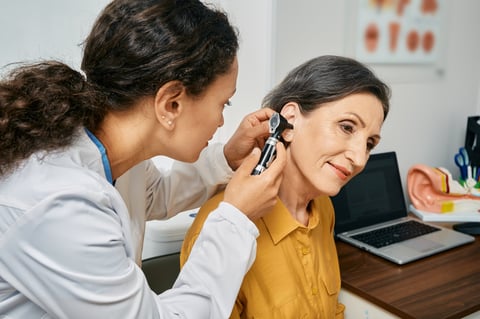
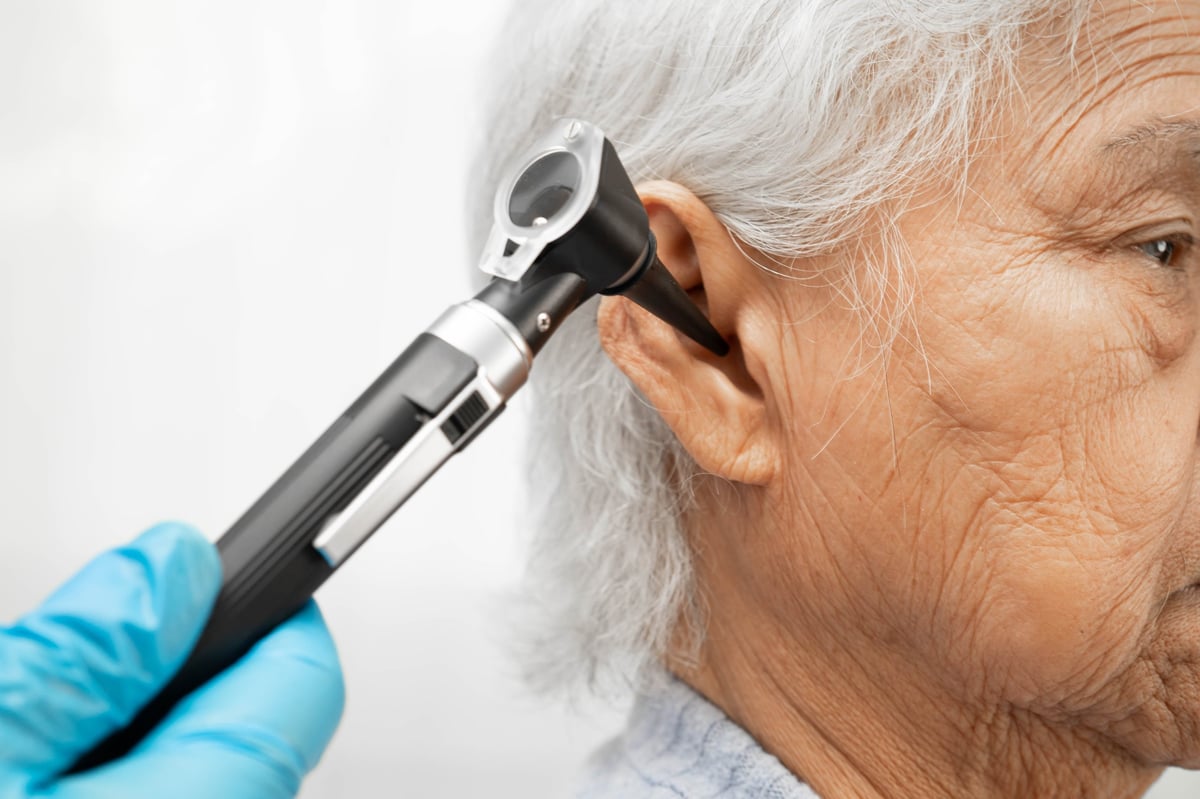
Adult hearing screening can include a case history and a visual or otoscopic inspection, which may identify issues like outer ear concerns or cerumen impaction, better known as earwax blockage.
So if wax is a concern, don't play doctor in the bathroom mirror. Tell the provider. Let them look. That one small choice can save you from a bad test, a sore ear, or a wasted appointment.
Don't Ignore Ear Pain, Drainage, or Sudden Changes
A hearing test is useful. But if you have ear pain, drainage, sudden hearing loss, dizziness, or strong pressure in one ear, say something before the test begins.
Those details matter. A pure-tone hearing evaluation may be used for people with hearing concerns, tinnitus, dizziness, middle ear problems, ear trauma, loud noise exposure, or other ear-related issues.
That does not mean you should panic. It means you should be honest. If your hearing changed suddenly, that is different from slowly asking people to repeat themselves over the last few years. Tell the full story. Good testing starts with good context.
Don't Show Up Sick Without Calling First
Congestion can make your ears feel plugged. Sinus pressure can change how sound feels. Fluid behind the eardrum can affect what you hear.
So if you wake up with a bad cold, ear infection symptoms, heavy congestion, or a fever, call the office before your appointment. You may still be able to come in. Or it may make more sense to wait.
The truth is, the test should reflect your real hearing, not a temporary issue from being sick. You want the cleanest answer possible.
Don't Guess Your Way Through the Test
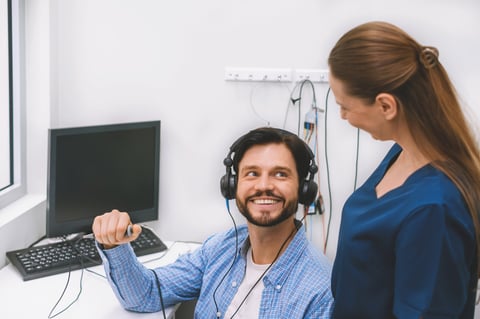
During a hearing test, you may hear tones, words, or speech at different levels. Audiometer tests send sounds and words through earphones to each ear, and tones are repeated at low levels to find the quietest sound you can hear.
That means your job is not to be "good" at the test. Your job is to be accurate. If you hear the tone, respond. If you are not sure, follow the instructions given by the provider.
Remember: A hearing test is not pass or fail. It is a map. And the better the map, the better the plan.
Don't Leave Out Your Real-Life Hearing Problems
The test booth gives useful data. But your daily life gives the story. So don't say, "Everything is fine," if it isn't. Tell the provider if you struggle with:
- Conversations in restaurants
- Hearing your spouse from another room
- TV volume
- Phone calls
- Women's or children's voices
- Group settings
- Church, meetings, or community events
- Ringing in your ears
- Asking people to repeat themselves
- Feeling worn out after listening all day
Adult hearing screening may include self-report tools because perceived hearing difficulty and real-world communication issues help guide the next step.
Because hearing is not just about tones. It is about dinner with friends. It is about hearing your grandkids. It is about staying part of the conversation. That's the real test.
Don't Forget Your Medications and Health History
Bring a list of medications, major health conditions, prior ear surgeries, noise exposure, family hearing history, and past hearing test results if you have them.
A hearing care provider may ask about medical history, medications, noise exposure, tinnitus, dizziness, and other details. Case history can include health conditions, medications, and family history as part of adult hearing screening. You don't need a perfect medical file. Just bring what you know. Even a simple note in your phone is better than trying to remember everything on the spot.
What You Should Do Instead
Let's keep this simple. Before your hearing test:
- Keep your ears away from loud sound for 12–24 hours if possible. Quiet ears give cleaner results.
- Clean only the outside of your ears. No deep cotton swab work.
- Write down your symptoms. When did they start? One ear or both? Any ringing?
- Bring medication and health details. The more context, the better.
- Arrive a few minutes early. Rushing never helps.
- Answer honestly during the test. Don't guess. Don't perform. Just respond.
Simple. Practical. Worth it.
Why a Hearing Test Is Worth Taking Seriously
A hearing test can identify the type and level of hearing loss. Audiometry tests can show whether hearing loss is mild, moderate, or severe, and common tests include pure-tone testing and bone conduction testing.
That information matters because better hearing care starts with better facts. Maybe your hearing is normal. Maybe wax is part of the problem. Maybe one ear is doing more work than the other. Maybe you've been missing more than you realized.
Whatever the answer is, you deserve to know. At River City Hearing, the process is built to be clear, personal, and low-pressure. The goal is not to talk you into something. The goal is to help you understand what is happening and what options make sense.
FAQs About What to Avoid Before a Hearing Test
Can I drink coffee before a hearing test?
Usually, yes. Coffee does not normally ruin a hearing test. That said, if caffeine makes you jittery or worsens tinnitus, keep it light before the appointment.
Should I clean my ears before a hearing test?
Clean the outside of your ears only. Do not push cotton swabs or tools into the ear canal. If wax is blocking your ear, the provider can discuss the safest next step.
Can I wear hearing aids before the test?
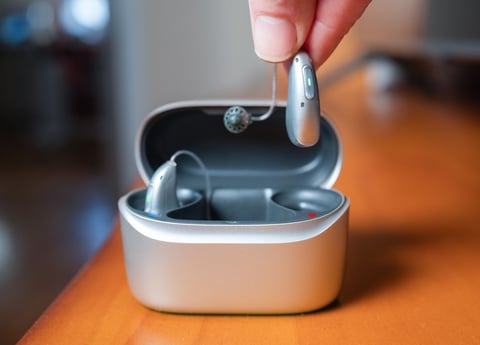
Yes, bring them. Your provider may test your hearing without them and may also want to inspect or discuss how they are working for you.
Should I avoid headphones before a hearing test?
Yes, if you tend to listen loudly. Keep headphone volume low the day before your appointment, or skip them when possible.
What if I went to a loud event the night before?
Tell the provider. Loud sound can temporarily affect hearing, so they may take that into account or suggest rescheduling depending on your symptoms.
Is a hearing test painful?
No. Hearing tests are generally painless. You will usually listen to sounds or speech and respond when instructed.
Ready for Clear Answers?
If you've been turning up the TV, missing words in conversation, or pretending you heard something when you didn't, don't brush it off. Your hearing affects your relationships, your confidence, and your daily life.
Schedule your hearing test with River City Hearing in Peoria.
Schedule Your TestLife sounds good. And you shouldn't miss a thing.