Which Vitamin Is Good for Hearing?
If you're asking, "Which vitamin is good for hearing?" the honest answer is this: There isn't one magic vitamin that fixes hearing loss. But there are nutrients that support the systems your ears depend on every day: blood flow, nerve function, cell protection, bone health, and inner-ear balance.
Think of your hearing like a high-end sound system. The speakers matter. The wiring matters. The power source matters. And if one part starts wearing down, the sound changes. Your ears work the same way.
Research has connected several nutrients with hearing health, including folate, vitamin B12, vitamin D, vitamins A/C/E, magnesium, zinc, and omega-3 fatty acids. A 2025 NIH-published review found that diets richer in antioxidants, fiber, protein, and fish high in unsaturated fats may help support auditory function over time.
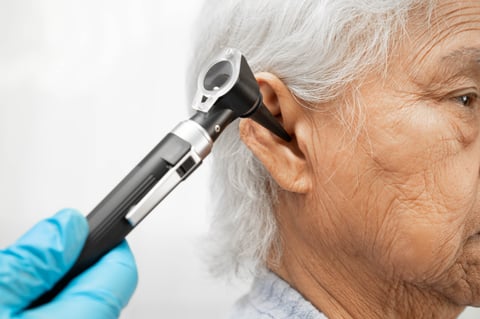
But here's the part most people miss: Vitamins support hearing health. They do not replace a hearing test. If voices sound muffled, the TV keeps creeping louder, or restaurants feel like audio chaos, your next smart step is simple: schedule a hearing evaluation with River City Hearing in Peoria.
The Best Vitamins and Nutrients for Hearing Health
The best "vitamin for hearing" depends on what your body may be missing. Some nutrients support circulation. Others help nerves. Some help guard inner-ear cells from everyday wear. Here's the clean breakdown.
| Nutrient | Why It May Matter for Hearing | Food Sources |
|---|---|---|
| Folate / Vitamin B9 | Supports healthy blood flow, which your inner ear depends on | Spinach, beans, asparagus, citrus |
| Vitamin B12 | Supports nerve health and red blood cell function | Eggs, fish, dairy, meat, fortified foods |
| Vitamin D | Supports bone health, including tiny bones involved in hearing | Sunlight, fatty fish, fortified milk |
| Vitamins A, C, and E | Antioxidants that help protect cells from stress | Sweet potatoes, berries, peppers, nuts |
| Magnesium | May support blood flow and help the body handle noise-related stress | Pumpkin seeds, almonds, spinach, dark chocolate |
| Zinc | Supports immune and cellular function | Oysters, beef, pumpkin seeds, chickpeas |
| Omega-3s | Supports circulation and healthy inflammation response | Salmon, sardines, tuna, walnuts, chia seeds |
A review of nutrition and hearing loss found that low intake of certain micronutrients, including vitamins A, B, C, D, E, zinc, and magnesium, has been associated with higher hearing-loss risk in some studies. That does not mean taking a handful of pills will restore hearing. It means your ears, like the rest of your body, benefit from smart nutrition.

Folate: The Quiet Workhorse for Hearing Health
Folate, also known as vitamin B9, may be one of the most interesting nutrients when people ask which vitamin is good for hearing. Because your inner ear needs steady blood flow. Tiny structures inside the ear are highly sensitive. They don't have much room for error.
Some research has linked folate and related nutrients with age-related hearing changes. Harvard-affiliated research has also looked at carotenoids, folate, and omega-3 intake in relation to hearing-loss risk, especially in large population studies.
Good folate foods include:
- Spinach
- Romaine lettuce
- Asparagus
- Black beans
- Lentils
- Oranges
- Avocado
The truth is, folate is not flashy. But neither is brushing your teeth. Small habits compound.
Vitamin B12: The Nerve-Support Nutrient
Your ears don't work alone. They collect sound, convert it into signals, and send those signals to the brain. That means nerve health matters.
The NIH Office of Dietary Supplements explains that vitamin B12 is a water-soluble vitamin found naturally in some foods, added to others, and available as a supplement or prescription medication.
People who may be more likely to run low on B12 include:
- Older adults
- People who eat little or no animal products
- People with certain digestive issues
- People taking certain medications long term
B12 food sources include fish, beef, eggs, milk, yogurt, and fortified cereals.
Here's the practical takeaway: If you're tired, foggy, dealing with balance issues, or worried about hearing changes, don't guess. Ask your healthcare provider if bloodwork makes sense. Guessing gets expensive. Testing gives direction.
Vitamin D: Small Bones, Big Job
Vitamin D is usually talked about for bones and immunity. But hearing has a bone connection too. Your middle ear contains three tiny bones: the malleus, incus, and stapes. They help move sound toward the inner ear.
Vitamin D supports calcium balance and bone health. The NIH notes that vitamin D toxicity is usually caused by excessive supplement intake and can create serious problems, so high-dose supplementation should not be treated casually.
Good sources include:
- Sun exposure
- Salmon
- Sardines
- Fortified milk
- Egg yolks
- Vitamin D supplements when recommended
For many people in Illinois, especially during colder months, vitamin D can run low. That's worth checking.
Vitamins A, C, and E: Antioxidant Support for the Inner Ear
Your inner ear is delicate. Noise, age, poor circulation, smoking, inflammation, and certain medications can all put stress on hearing structures. That's where antioxidants enter the conversation.
Vitamins A, C, and E help the body manage oxidative stress. Some studies have looked at antioxidant-rich diets and their possible connection to hearing outcomes. AARP also notes that beta-carotene, folate, long-chain omega-3s, vitamins A/E/C, potassium, and zinc are linked with foods that may support hearing health.
Food-first options include:
- Carrots
- Sweet potatoes
- Bell peppers
- Blueberries
- Strawberries
- Almonds
- Sunflower seeds
- Spinach
Here's the better move: Don't chase one pill. Build a plate that helps your ears, heart, brain, and energy at the same time.
Magnesium and Zinc: Not Vitamins, Still Worth Mentioning
Magnesium and zinc are minerals, not vitamins. But they deserve a seat at the hearing-health table.
Magnesium supports muscle and nerve function, blood pressure regulation, and many body processes. The NIH also lists a tolerable upper intake level of 350 mg per day from supplemental magnesium for adults, which means supplement dose matters.
Zinc supports immune function, cell growth, and wound healing. NIH zinc data shows intake varies by age and sex, and zinc supplements can interact with other nutrients when taken in high amounts.
Food sources include:
- Pumpkin seeds
- Cashews
- Almonds
- Oysters
- Beef
- Chickpeas
- Spinach
Again, food first. Supplements second. Testing and professional guidance before high doses.

Omega-3s: Not a Vitamin, But Maybe the Best Hearing-Support Nutrient
Omega-3 fatty acids are not vitamins. But if someone asks what nutrient is good for hearing, omega-3s deserve attention. Why? Because hearing depends on blood flow. The inner ear is tiny, sensitive, and hungry for oxygen-rich circulation.
Research has linked fish and unsaturated fatty acid intake with hearing support. The 2025 NIH-published review noted that fish rich in unsaturated fatty acids may help preserve auditory function.
Good omega-3 foods include:
- Salmon
- Sardines
- Tuna
- Trout
- Walnuts
- Chia seeds
- Flaxseed
A simple rule? Eat fatty fish twice a week when possible. That one habit can help more than a cabinet full of random bottles.
Can Vitamins Reverse Hearing Loss?
No vitamin has been proven to reverse common hearing loss. That's the line in the sand.
Hearing loss can come from aging, noise exposure, earwax buildup, infection, eardrum issues, medication side effects, genetics, or damage to tiny hair cells in the inner ear.
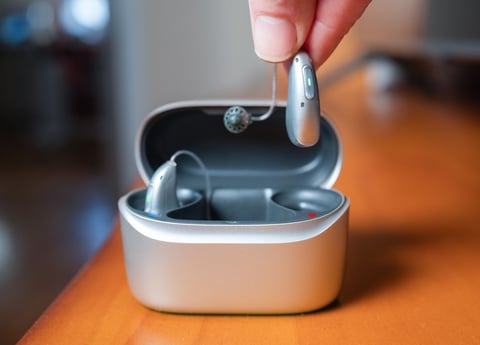
Treatment depends on the cause and the level of hearing loss. Mayo Clinic explains that hearing-loss treatment may include wax removal, surgical care in certain cases, hearing aids, or cochlear implants, depending on the situation.
The National Institute on Deafness and Other Communication Disorders also explains that prescription hearing aids can be programmed by a hearing health professional for your specific hearing loss, while OTC hearing aids are meant for adults with perceived mild to moderate hearing loss. So yes, nutrition matters. But if your hearing is changing, don't try to out-supplement the problem. Get answers.
When to Schedule a Hearing Test
You should consider a hearing test if:
- People sound like they're mumbling
- You ask "what?" more than you used to
- Background noise makes conversation hard
- Your TV volume keeps going up
- Phone calls are harder to follow
- You hear ringing, buzzing, or hissing
- Family members have mentioned your hearing
- You avoid noisy places because listening feels exhausting
That last one is big. Hearing loss doesn't just affect sound. It affects confidence, connection, and everyday energy. The best part? A hearing test is simple. It gives you a clear starting point.
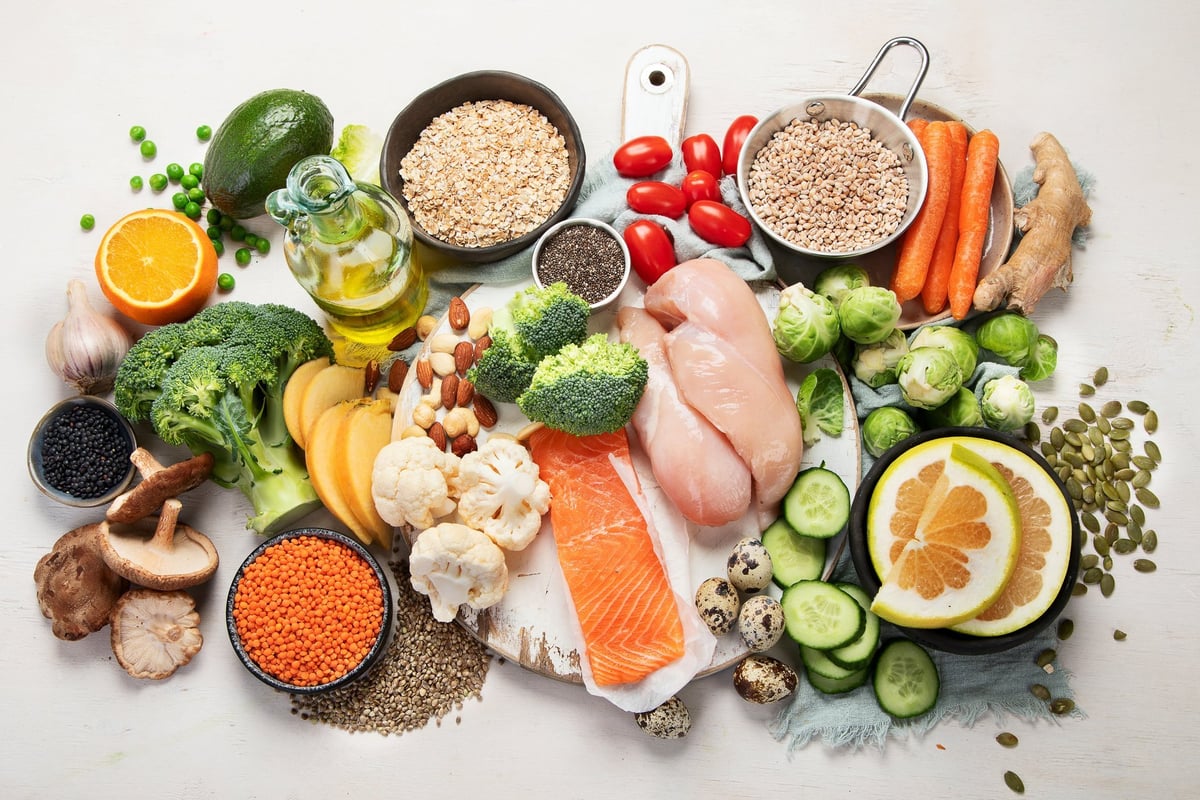
Food First: A Simple Hearing-Health Plate
Want the easiest way to support hearing through nutrition? Build meals around this:
- Protein: eggs, fish, chicken, beans, Greek yogurt
- Color: berries, peppers, leafy greens, sweet potatoes
- Healthy fats: salmon, walnuts, olive oil, chia seeds
- Minerals: pumpkin seeds, almonds, spinach, chickpeas
- Hydration: water throughout the day
And cut back on the usual troublemakers:
- Too much processed food
- Excess alcohol
- Smoking
- High noise exposure without protection
- Skipping routine health checks
Your ears are connected to the rest of you. Treat them that way.
The River City Hearing Takeaway
So, which vitamin is good for hearing? A smart answer would be: Folate, B12, vitamin D, and antioxidant vitamins A, C, and E may support hearing health. Magnesium, zinc, and omega-3s may help too.
But the smarter answer is this: If your hearing has changed, nutrition is support. A hearing test is direction. At River City Hearing, we help people in Peoria understand what's really going on with their hearing, without pressure or confusion. Life sounds good. And River City Hearing will make sure you don't miss a thing.
FAQs About Vitamins and Hearing Health
What is the best vitamin for hearing?
There is no single best vitamin for hearing. Folate, vitamin B12, vitamin D, and antioxidant vitamins A, C, and E are often discussed in hearing-health research. Minerals like magnesium and zinc, plus omega-3 fatty acids, may also support the systems your ears depend on.
Can vitamin B12 help hearing?
Vitamin B12 supports nerve and blood cell health. Since hearing depends on nerve signals between the ear and brain, B12 may be important, especially for people who are low. A healthcare provider can check B12 levels with bloodwork.
Is vitamin D good for hearing?
Vitamin D supports bone health and calcium balance. Since the ear includes tiny bones that help conduct sound, healthy vitamin D levels may matter. Avoid high-dose vitamin D unless your provider recommends it.
Can supplements fix hearing loss?
No supplement has been proven to reverse common hearing loss. If you notice hearing changes, the best first step is a hearing test.
What foods are good for hearing health?
Good options include salmon, sardines, spinach, beans, oranges, eggs, yogurt, pumpkin seeds, almonds, sweet potatoes, berries, and leafy greens.
Should I take a hearing supplement?
Be careful. Some supplements are useful when you have a real deficiency, but random high-dose supplements can cause side effects or interact with medications. Ask your healthcare provider before starting a new supplement, especially if you take medication or have a medical condition.
When should I see a hearing specialist?
Schedule a hearing test if speech sounds muffled, background noise is harder to handle, your TV volume has increased, or you have ringing in your ears. A hearing test gives you real answers instead of guessing.
Schedule a Hearing Test in Peoria
Wondering whether your hearing is normal, slightly changed, or asking for help? Schedule a hearing evaluation with River City Hearing in Peoria, Illinois. You'll get clear answers, practical options, and a better understanding of what your ears need next.
Schedule Your TestCall River City Hearing today or request an appointment online.